

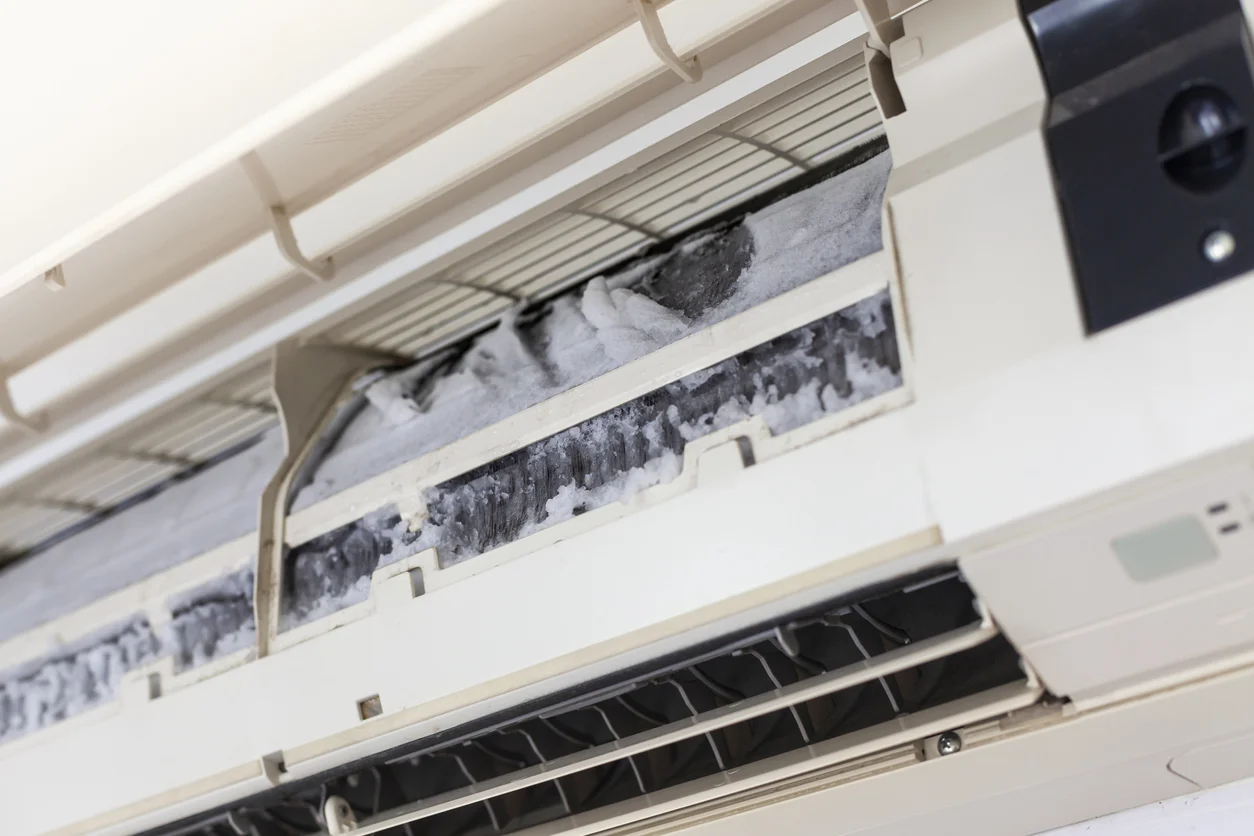
When the Las Vegas sun turns up the heat and outdoor temperatures climb deep into the triple digits, your cooling system becomes your primary lifeline. Walking into your home only to find a block of ice building up on your indoor evaporator coil or the copper lines outside can be incredibly alarming. It feels entirely backward to see winter frost inside your home during a blistering desert summer, but a frozen cooling system is a markings-on-the-wall issue that signals a major breakdown in functionality. Ignoring this buildup can lead to severe compressor damage, leaving you stranded in the heat and facing an expensive replacement.
Understanding why this happens and acting fast by calling for professional AC repair can save your comfort and protect your investment before the desert heat takes over your household.
Restricted Airflow Chills the Coil
The cooling process relies entirely on a steady, uninterrupted stream of warm indoor air passing across your system’s cold evaporator coil. When that airflow is restricted or completely blocked, the refrigerant inside the coil drops below freezing temperatures, causing the natural moisture in the air to instantly freeze onto the metal components.
Clogged Air Filters: Dust and desert sand build up quickly, suffocating the system and dropping the internal temperature.
Blocked Supply Vents: Closing too many registers or covering vents with furniture disrupts the vital airflow balance.
Dirty Evaporator Coils: A layer of grime acts as a barrier, preventing the air from transferring its warmth to the refrigerant.
When air cannot freely pass through the system, the temperature around the coil plummets rapidly. If you notice a drop in airflow from your registers and visual frost, turn the system off completely to let it thaw naturally before further damage occurs.
Low Refrigerant Levels Drop Pressure
Another primary cause of an icy system is an underlying refrigerant leak, which alters the delicate balance of your equipment's internal pressure. When your system loses its critical charge, the pressure inside the evaporator coil drops significantly, causing the remaining refrigerant to expand at a much colder temperature than it was engineered to handle.
Ice Along the Copper Lines: Frost starts at the leak site and travels down the exterior lines to your outdoor unit.
Hissing or Bubbling Noises: These distinct sounds often pinpoint the exact location where the vital chemical gas is escaping.
Lukewarm Air from Vents: Despite the ice buildup, the system loses its capacity to actually cool your home.
As the coil becomes unnaturally cold, it rapidly freezes any humidity present in your home's air, creating an insulating layer of ice that grows thicker by the hour. Many property owners mistakenly assume that adding more refrigerant is a simple, routine task, but a low level always indicates a physical hole or crack somewhere in the lines that requires expert sealing.
Schedule Your Expert Nevada Inspection
Operating a frozen system puts immense strain on the compressor, which can permanently damage the heart of your unit and drive up your monthly energy bills. Our highly trained, NATE-certified technicians at Polar Air & Heating, Inc. have decades of local experience navigating the unique demands of desert climate control systems. We step in with precision diagnostics to locate hidden refrigerant leaks, clear stubborn airflow restrictions, and ensure your system is running safely. Reach out to the dedicated professionals at Polar Air & Heating, Inc. by calling (725) 425-1992 to protect your home.